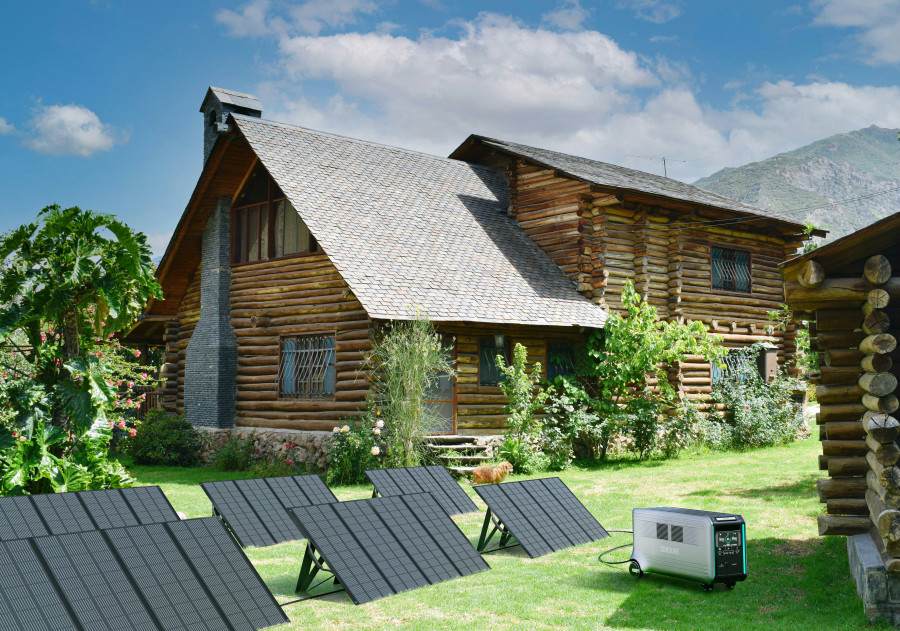
Today we celebrate Earth Day! 🌍
A day that reminds us of the importance of protecting our planet and promoting sustainable solutions. When it comes to sustainable construction, principles such as ecological, economic, and socio-cultural quality are at the forefront. These factors not only impact the environment but also our future.
Ecological quality in sustainable construction emphasizes the use of environmentally friendly materials with a minimal CO₂ footprint for climate-neutral buildings.
Economic quality is inextricably linked with ecological quality. While construction costs may initially be higher, these investments pay off over time through savings in energy and operational costs.
Sustainable construction not only offers high quality of life but also protects the environment and leads to long-lasting buildings, making a contribution to future generations.
What materials and construction materials are sustainable and climate-friendly? Sustainable construction focuses on using environmentally friendly materials that are either of natural origin or can regrow. These include natural building materials such as clay, wood from sustainable forestry, natural insulation materials like hemp or cellulose, as well as plant-based paints and adhesives without solvents. Building with wood is particularly popular due to its positive CO₂ balance and availability in Europe.
Technology-oriented solutions in the real estate sector can help us address greenhouse gas emissions. Innovative companies are working on various approaches to reduce the CO₂ footprint of the construction sector. A promising approach is to reduce the embodied carbon of concrete by developing unique binding systems. Additionally, new materials are being made from waste streams, such as panels made from packaging cardboard and hard-to-recycle plastics.
Energy-saving houses such as low-energy houses, passive houses, zero-energy houses, plus-energy houses, and KfW-efficient houses are widespread.
Managing energy consumption is also a crucial contribution to achieving climate goals. Innovations for renovating residential buildings, such as robot-assisted floor insulation and smart air bricks to reduce heat loss, help minimize energy consumption.
In conclusion, the construction sector offers numerous opportunities to reduce the CO₂ footprint and implement innovative solutions for a more sustainable future. By making environmentally conscious decisions, we can contribute positively to the planet while creating comfortable, energy-efficient living spaces.